 (Image via
Country life offers wide open spaces and a slower pace, making it easier to shape routines that produce less waste. By cutting back on what you throw away, you help keep local landfills from overflowing and can enjoy homegrown or locally sourced produce at its freshest. Adopting a low-waste lifestyle in rural areas feels satisfying and practical, especially when you match your efforts to the unique rhythms of life away from the city. Everyday choices, like reusing materials and planning meals around what’s in season, add up to a more sustainable home. You can use resourcefulness and a bit of rural wisdom to make eco-friendly habits part of your routine while still enjoying all the comforts you love.
Rural living often means access to open spaces, fresh air, and a possibility to grow much of what you eat. By weaving low-waste practices into your everyday routine, you build a lifestyle that matches the pace of country life. The tips below will help you evaluate your current habits, gather essential tools, shape morning and evening rituals, optimize your kitchen for zero-waste cooking, and explore composting or recycling options unique to rural areas.
Evaluate Your Current Waste Habits
Before you start adopting new habits, take stock of how you currently handle trash and recycling. Understanding where your waste goes helps you identify which areas to change first. Having a clear picture of your patterns makes each next step more intentional.
- Track one week’s waste. Write down or take photos of every bag of trash and container you toss out. Look for single-use plastics or disposable food packaging that you can replace.
- Sort your recyclables and organic waste. Find out if your local facility accepts glass, metal, or paper, and note which items come back in your bin unprocessed.
- List routine purchases. Make a list of items—like bottled shampoo, snack wrappers, or paper towels—that you buy repeatedly. These recurring purchases become prime targets for low-waste swaps.
- Set simple goals. Decide on measurable targets, such as halving plastic waste or finding reusable alternatives for every paper towel you use. Clear goals will keep you motivated.
Gather Essential Low-Waste Supplies and Tools
Having a few reliable items makes it easier to avoid single-use products and plastic packaging. With these tools ready, you’ll handle errands and chores more easily while keeping waste low.
- Stainless steel or glass water bottles
- Beeswax wraps or silicone food covers
- Cloth napkins and dish towels
- Refillable soap dispensers
- Mesh or cloth produce bags
- A sturdy compost bin or outdoor tumbler
- Reusable utensils and containers
Buy natural cleaning tools like wooden dish brushes and wool dryer balls to avoid plastic scrubbers or dryer sheets. A set of good-quality cloth bags and jars makes buying in bulk from local co-ops or farm stands easier. Over time, these initial investments pay off through reduced spending and less clutter.
Incorporate Morning and Evening Zero-Waste Rituals
You can add eco-friendly actions into your first and last moments of the day without taking extra time. Turning these steps into simple rituals makes them automatic parts of life on the farm or in the woods.
Start each day by brewing coffee or tea in a Chemex or French press, then save leftover grounds for compost. Fill your bottle with water before heading out for morning chores. On the way back, rinse the milk jug that holds your homemade herbal tinctures in the morning.
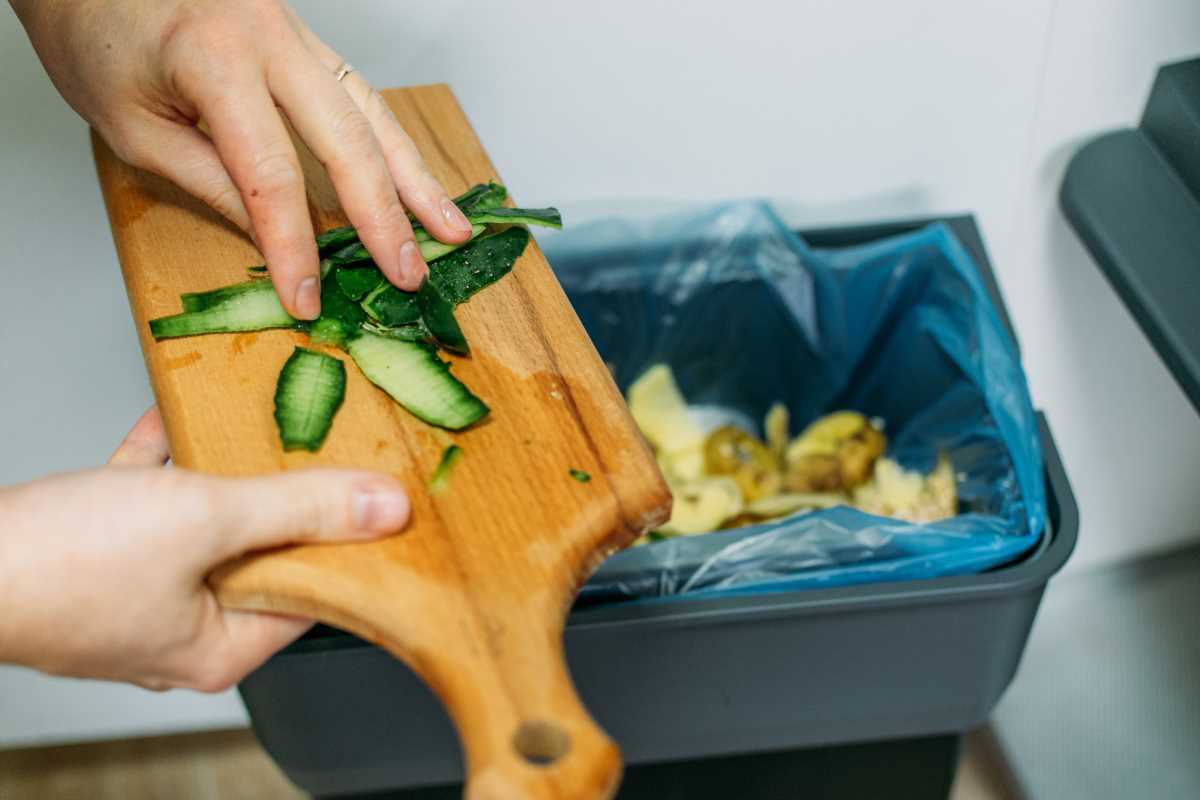
Wind down at night with a reusable bamboo toothbrush and zero-waste toothpaste tablets. Fold your cloth napkins and wipe counters with a homemade vinegar solution stored in a refillable glass spray bottle. Finally, collect food scraps from dinner to feed your compost tumbler so nothing valuable goes to waste.
Plan Meals and Practice Kitchen Zero-Waste Techniques
Arrange your meals around seasonal produce from your garden or local farms to avoid long-distance shipping packaging. When you shop, bring cloth bags and glass jars. This way, you cut packaging waste and enjoy fresh farm flavors.
Reduce food scraps by preparing a weekly menu that uses similar ingredients. Cook large batches of grains or roasted vegetables, store portions in glass containers, and freeze leftovers in silicone molds for lunches. Set up a simple shelf to keep bulk items in airtight bins.
Learn to reuse peels, stems, and cores. For example, carrot tops become pesto, broccoli stalks turn into soup, and citrus peels dry into seasoning.
Rural-Specific Ways to Compost and Recycle
Country living suits composting well, especially if you have land. A well-maintained compost pile or tumbler turns kitchen scraps and yard debris into rich soil for your garden. Chop larger branches and twigs to speed up decomposition.
If local pickup for paper, plastic, or glass isn’t available, collaborate with neighbors to take recyclables to the nearest facility. You might even trade a ride for fresh eggs or homemade jam. Check out county programs that allow you to drop off items periodically or set up a shared collection point.
Use fallen leaves, straw from livestock bedding, or spent hay as brown material in your compost. Layer green kitchen scraps with manure for a balanced mix. Use a temperature gauge to see when the pile gets hot enough to kill seeds and pathogens.
Building a Low-Waste Rural Routine
Creating a low-waste routine in a rural setting proves practical and satisfying. You can adjust each step to fit the seasons, your garden’s produce, and the resources nearby. Small changes add up over time, so keep trying swaps that reduce waste and promote self-reliance.
Make your daily habits your first step to reducing trash and living more sustainably. This keeps you connected to nature and lightens your waste and burden.